
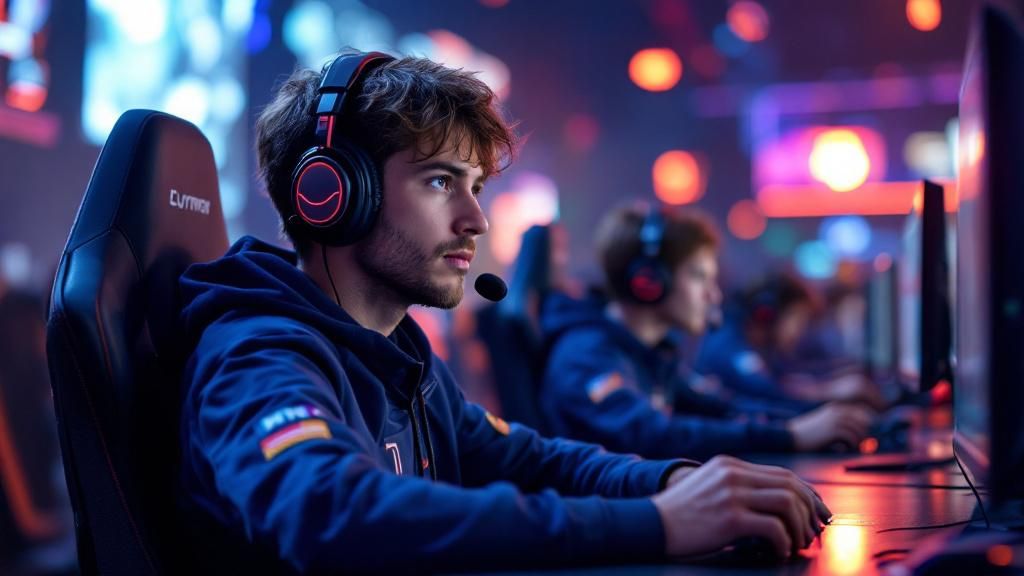
The esports industry has made considerable progress in prioritising competitor wellbeing. Leading esports bodies have together launched a detailed player protection standards framework, addressing longstanding concerns about mental health, working conditions, and fair treatment within the professional gaming sector. This groundbreaking development marks a turning point for esports legitimacy, creating minimum standards that could transform how the industry operates. We analyse the framework’s central components, the entities leading this transformation, and what it means for players and the competitive gaming landscape going forward.
Industry-Wide Commitment to Player Wellbeing
The coordinated partnership between leading esports organisations marks a pivotal turning point for competitor welfare within competitive gaming. This unified framework demonstrates the market’s authentic resolve to developing enduring guidelines that place athlete welfare first alongside performance quality. By pooling resources and expertise, these organisations have developed detailed frameworks addressing physical health, mental wellness, and occupational safety. The initiative reflects expanding understanding that competitor health substantially impacts output standards and sustained careers, making it crucial for the industry’s standing and expansion.
Tournament administrators have confirmed that earlier guidelines were fragmented and inconsistent, leaving players vulnerable to abuse and fatigue. The new framework creates uniform requirements throughout leading tournaments, making certain each professional player obtains equal support and access to essential support services. This coordinated approach removes unfair disparities resulting from differing safeguards and establishes a level playing field. Industry figures emphasise that these standards form essential foundations, prompting entities to go beyond minimum standards and build authentically nurturing spaces where athletes can flourish in career and personal development.
Core Features of the Social Support Framework
The recently created welfare framework consists of various interrelated pillars intended to ensure player protection completely. These components tackle mental wellbeing assistance, physical health, reasonable working standards, and straightforward conflict resolution mechanisms. By combining these components, tournament operators aim to develop a comprehensive strategy that treats esports athletes as professional athletes warranting robust protections. The framework sets essential standards that all participating tournaments are required to adopt, ensuring standardised player protections across the competitive gaming landscape.
Mental Wellness Care Services
Understanding the mental health challenges present within esports at a professional level, the framework mandates provision of qualified psychologists for all competing players. Tournament operators must provide confidential counselling services, either directly or through partnerships with qualified mental health providers. Such services include managing stress, anxiety management support, and crisis intervention resources. Players gain access to trained psychologists who are familiar with esports-specific pressures, including online harassment, severe competitive pressure, and career uncertainty.
The framework also mandates tournaments to establish mental wellbeing education initiatives and destigmatisation initiatives across the community. Organisers must educate players, coaches, and staff about spotting mental health concerns and obtaining appropriate support. Regular check-ins and health surveillance programmes help detect struggling players at an early stage, allowing proactive intervention before situations develop into critical psychological situations.
Physical Wellness Requirements
Tournament coordinators must create comprehensive physical health standards tackling ergonomics, rest periods, and medical oversight. The framework mandates appropriate chairs, display positioning, and downtime to prevent overuse injuries frequently seen in esports professionals. Medical staff must be on-site at significant events to manage acute health issues, whilst organisers are obliged to give advice about harm prevention and suitable medical facilities for long-term player development.
Environmental circumstances at tournament venues are now subject to strict requirements maintaining player wellbeing and safety. Regulations encompass temperature control, lighting standards, and noise levels to deliver optimal performance conditions. Additionally, the framework supports players to undergo regular health assessments and provides guidance on diet, sleep hygiene, and exercise routines vital to sustained professional performance in esports.
- Workplace gear assessments conducted by qualified specialists
- Required breaks during competitions reducing player exhaustion
- Medical personnel on location available during all tournament proceedings
- Injury prevention training and rehabilitation service availability
- Wellness tracking systems monitoring player wellbeing throughout seasons
Rollout Schedule and Requirements
The framework will be implemented in three distinct phases, beginning immediately with initial evaluations across involved stakeholders. Tournament operators have committed to completing first audits of their present procedures by the first quarter deadline, highlighting discrepancies between current procedures and the new standards. This foundational phase ensures a thorough understanding of each organisation’s baseline position before making material alterations. Following phases will encompass team training, policy updates, and the creation of autonomous monitoring systems to guarantee compliance and accountability throughout the competitive gaming sector.
The standards themselves cover mandatory provisions relating to mental health support, sensible practice arrangements, and transparent prize distribution protocols. Each organisation must designate a designated welfare champion accountable for managing grievances and maintaining compliance with guidelines. Routine inspections, performed by third-party bodies, will verify compliance and highlight zones for development. These extensive protections establish measurable benchmarks for player protection, with compliance procedures including financial penalties and potential tournament sanctions for organisations not meeting required standards.
Industry Reaction and Outlook Ahead
The declaration has garnered strong backing from stakeholders across the competitive gaming sector. Players’ associations have praised the framework as a crucial development towards professionalising the industry, whilst team owners and sponsors acknowledge the potential for greater credibility and long-term viability. Gaming equipment manufacturers and content distribution networks have pledged to integrate welfare considerations into their operations, demonstrating a shared dedication to comprehensive transformation. Preliminary evidence point to the fact that regulatory bodies and state representatives view the guidelines positively, conceivably facilitating statutory acknowledgement of esports as a recognised professional industry.
Looking ahead, industry observers anticipate that this framework will function as a template for worldwide implementation, with regional competitions and grassroots events expected to adopt comparable standards. The programme is likely to inspire continued dialogue regarding athlete remuneration, career development pathways, and mental health resources. As esports continues its rapid expansion, these player protections constitute a crucial safeguard ensuring that competitive gaming stays viable, inclusive, and considerate for all participants, ultimately reinforcing the industry’s standing as a legitimate competitive sector.
